
Bwindi Biking Gorilla Trek
Bwindi Bikingi Gorilla Trek: One of the most common gorilla families in the Rushaga area of Bwindi Impenetrable National Park is the Bikingi gorilla family. This is one of Rushaga’s habituated gorilla families that can be easily tracked. The southern part of the park contains the Rushaga sector, one of Bwindi’s four sectors.
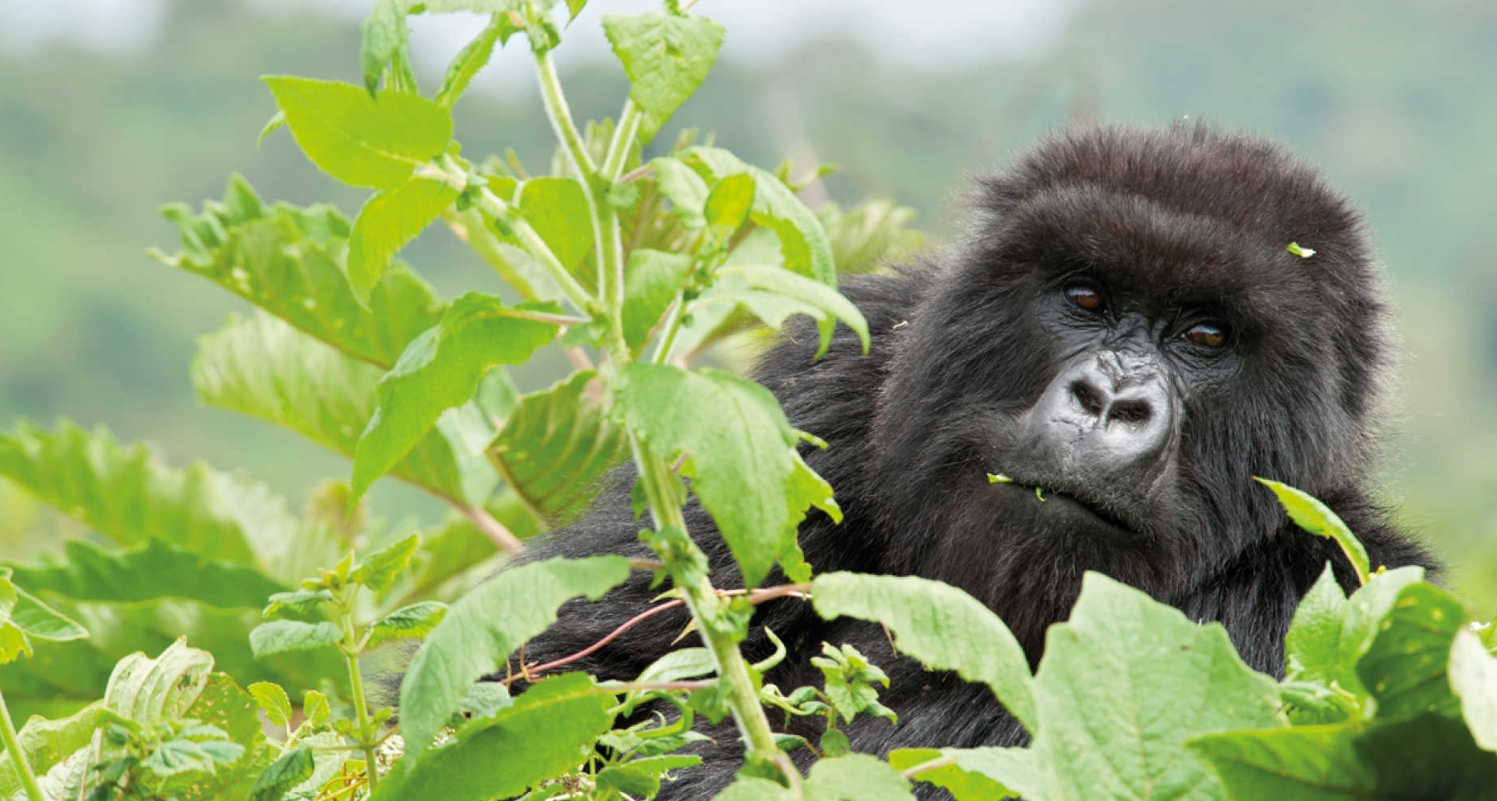
Bwindi, which is in southwest Uganda, is home to the world’s largest population of mountain gorillas. Bwindi Impenetrable National Park is home to 23 mountain gorilla families, including the Bikingi family.
Following their departure from the Mishaya gorilla group, the Bikingi gorilla group began to be habituated in 2012. The riding gorilla family is still being habituated since they are intentionally kept at Bwindi Impenetrable National Park. Because some of the members of the Mishaya gorilla family were still wild, it was difficult to acclimatise the mountain gorillas of this family to human presence.
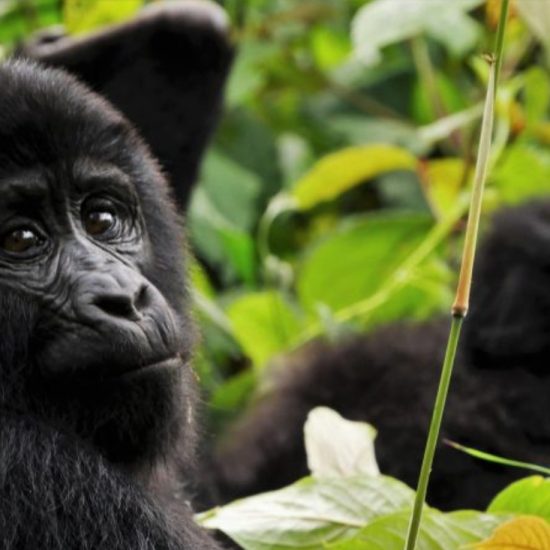
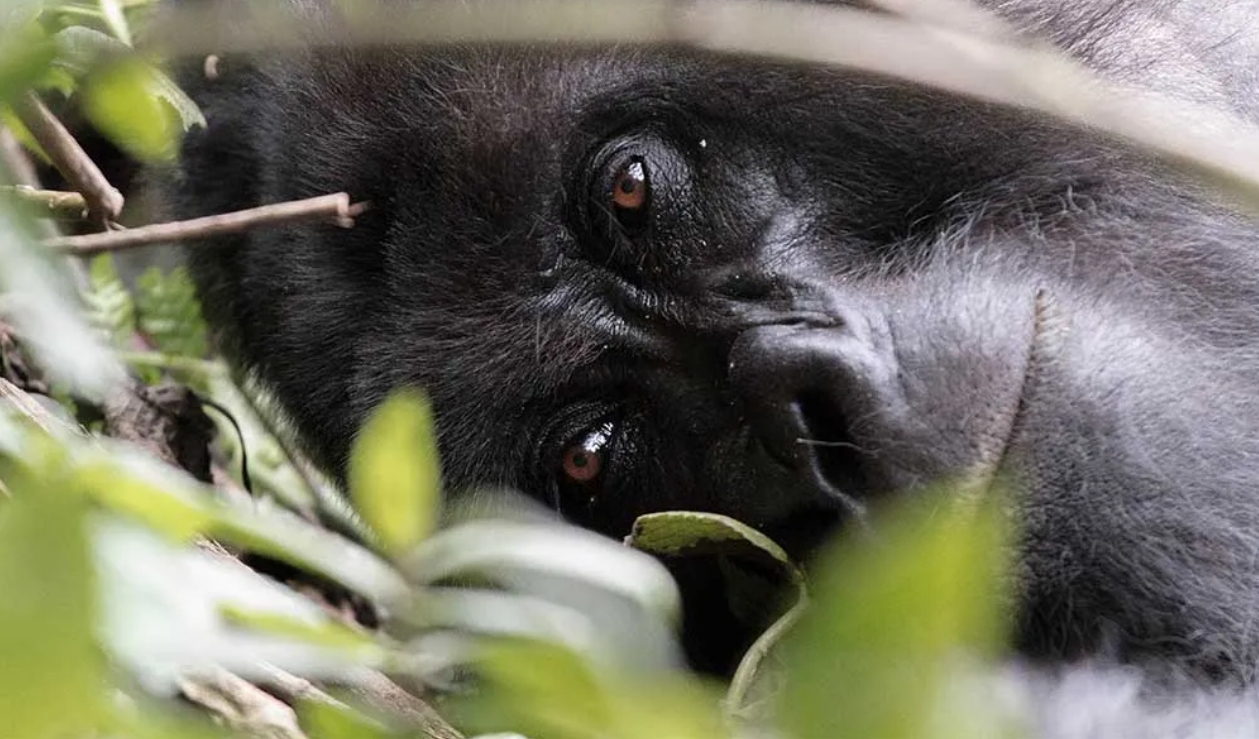
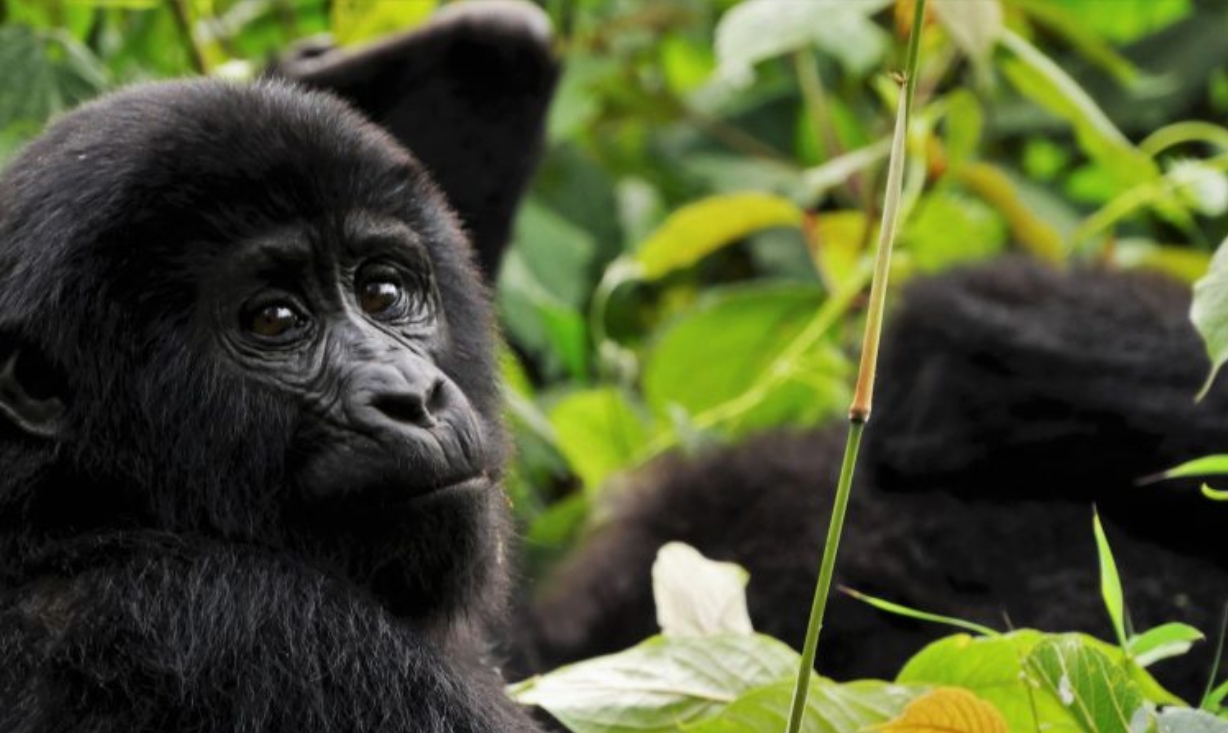
The reigning silverback, five newborns, two sub-adults, two adolescents, and five adult females make up the current 15 members of the Bikingi gorilla family. Silverback Bikingi, named for the group, is the leader of Bikingi. The sole gorilla family in the area that is available for habituation is the Bikingi family, which is located in the Rushaga gorilla sector.
Tracking the Bikingi Gorilla Family
In the beginning, a team of researchers, rangers, and conservationists worked to acclimatise the mountain gorillas of the Bikingi gorilla family; as of right now, visitors are permitted to participate in the trekking activity. The tracking of the biking gorilla family begins at 8 a.m. with a briefing at the headquarters in the Rushaga region.
Before being led into the jungle by armed ranger escorts, the wardens instruct trekkers under the age of four about the guidelines for the gorilla habituation operation. A team of researchers, environmentalists, hikers, and rangers visits the gorilla family every day and spends four hours with its members as part of the gorilla habituation activity.
It takes two to seven hours to search for the Bikingi gorilla family in the Rushaga area of Bwindi. Along the way, you will encounter other park mammals, primates, and birds. The four hours do start to matter once the mountain gorilla family is found.
During that time, the hikers can learn about the gorillas’ routines, participate in any naming, take pictures as they see them going about their everyday lives, and engage in activities that help the gorillas adjust to human presence.
Cost of Gorilla Trekking Permits in Uganda
The Bikingi gorilla family’s habituation permit costs $1500 for non-residents, $1000 for foreign residents, and Shs 750,000 for East African citizens. To prevent problems, travellers are advised to reserve their habituation permits three to four months in advance. Any reputable local tour operator or the Uganda Wildlife Authority website can make reservations for the permits.
What to Pack for Bwindi Bikingi Gorilla Trek
Waterproof hiking shoes, cotton socks, a pair of gaiters, a rain jacket, long-sleeved trousers, long-sleeved shirts, insect repellent, sunscreen, a hat, a light backpack, a camera, a pair of binoculars, sanitiser, a facemask, energy-giving foods, and reusable drinking water bottles are just a few of the necessities for a successful safari.
Best Time to Habituate the Bwindi Bikingi Gorilla Family
Although the Rushaga sector is open year-round, there are some months that are better than others for trekking gorilla groups. The best time to habituate the Bikingi gorilla family is during the dry months of June through September and December through February.
During these months, there is little to no rainfall, which leaves the trekking trails dry, the vegetation is sparse, making it quite clear to see the park animals, and the roads connecting to the park are passable.
The Bikingi gorilla family can still be habituated during the rainy season, which runs from March to May and October to November, to take advantage of significant discounts on lodging.
However, the roads leading to the park are impassable, the trekking trails are muddy and slick, the vegetation is dense and obscures views of the park animals, and excessive fog makes photography difficult.
Where to Stay in the Rushaga Sector
Some of the lodges where visitors can stay on their visit to Bwindi include Bwindi Jungle Lodge, Rushaga Gorilla Lodge, Rushaga Gorilla Haven Lodge, Rushaga Gorilla Resort, Four Gorillas Lodge, Ichumbi Gorilla Lodge, Rushaga Gorilla Camp, Gorilla Valley Lodge, Lake Mulehe Gorilla Lodge, Nsongi Camp, Wagtail Eco Safari Lodge, and others.
Best Way to Get to Rushaga Sector of Bwindi
By Road
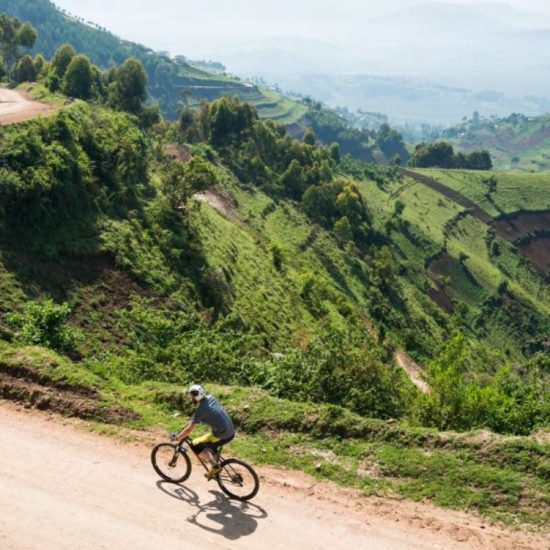
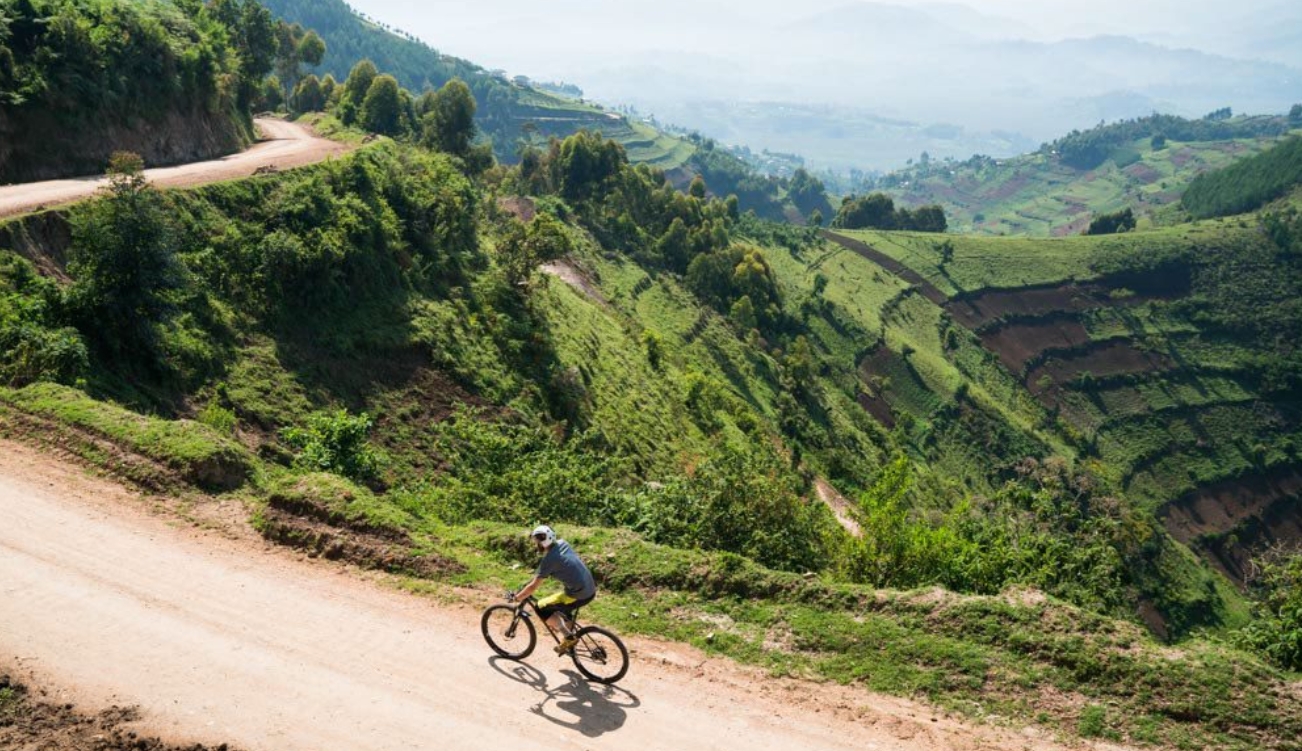
Travellers can use road transport to reach the Rushaga sector in the south of Bwindi, where they can trek with the Bikingi gorilla family. You can enjoy breathtaking views of plantations, homesteads, cities, hills, and waterbodies while travelling by road to the Rushaga area.
It takes nine to ten hours to go from Kampala to the Rushaga sector via Masaka, Mbarara, Kabale, and Kisoro. Travelling from Kigali to Uganda via the Cyanika border, then continuing to Kisoro, where you connect to the Rushaga sector, is the quickest route to Rushaga.
By Air
Travellers can take flights to Kisoro Airstrip from Entebbe International Airport or Kajjansi Airstrip. Several Ugandan airlines operate two-hour flights to the Kisoro airport. You must notify your tour operator in advance so they can reserve a seat for you if you want to take a trip to the Rushaga sector.
Other Activities to do after Gorilla Trekking in Rushaga
Birdwatching
In the Rushaga sector, birding is done in the morning along Mutanda with the assistance of a range guide. More than 300 bird species can be seen in the area, some of which are threatened in the Albertine region.
The African green broadbill, kivu ground thrush, finely banded woodpecker, black bee-eater, regal sunbird, handsome francolin, bar-tailed trogon, chestnut-throated apalis, grey cuckoo shrike, western tinkerbird, collared apalis, tit hylia, Rwenzori batis, dusky twinspot, short-tailed warbler, and montane oriole are among the notable birds of the Rushaga region.
Cultural Tours
Visiting the Batwa tribe is one of the things to do in the Rushaga sector after trekking with the Bikingi gorilla family. Since they were forced to leave the forest in order to save wild species, particularly the mountain gorillas, the Batwa have lived near the park.
A visit to the Batwa community is guided by locals who take you to various communities to observe how these people go about their daily lives, visit traditional healers to see how they treat illnesses with local medicine, participate in food preparation, hear tales from the past, and be entertained by traditional dancers.
Nature Walks
After trekking, members of the Bikingi gorilla family can engage in nature hikes. The Kajembehajambe Trail, which has two trails, one for bird nature walks and the other for waterfall trails, is used for nature walks in the Rushaga sector.
Visitors will be able to see many bird species, mammals, primates, and plants on the nature walks. Buffaloes, duikers, monkeys, olive baboons, elephants, antelopes, bush pigs, and many other creatures can be found in the Rushaga sector.