
Airstrips Near Bwindi Impenetrable National Park
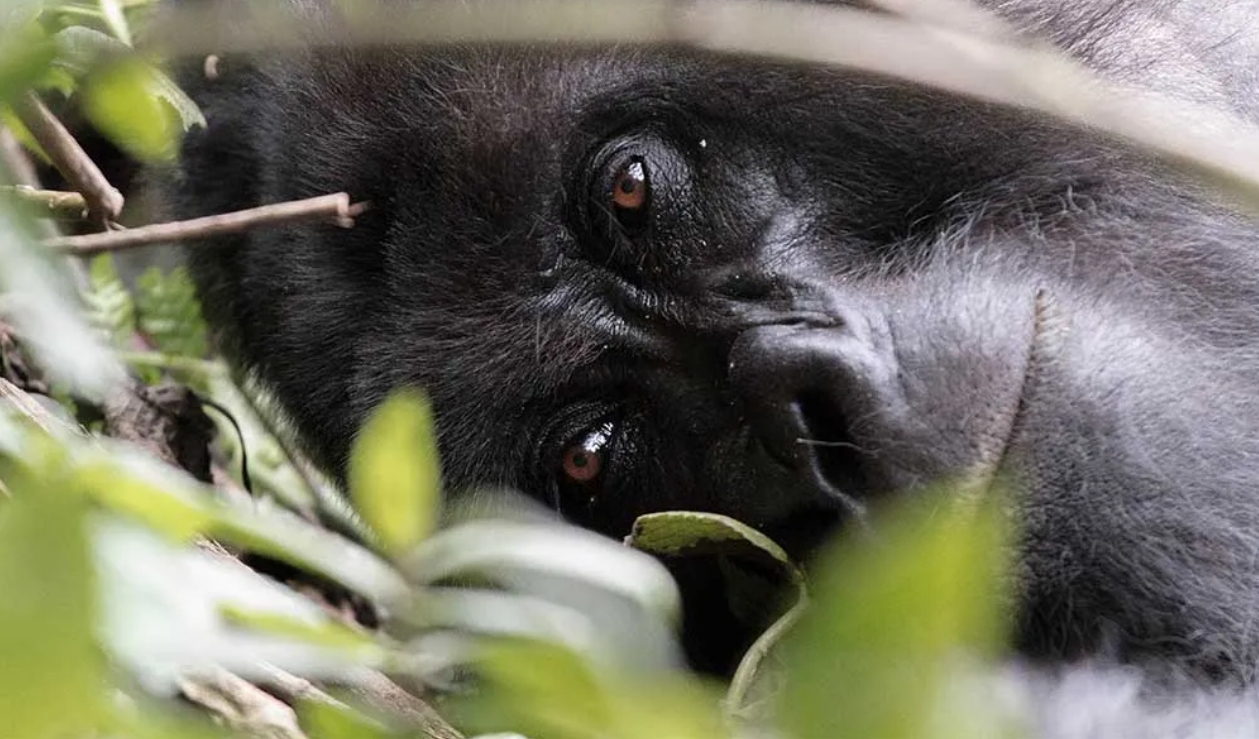
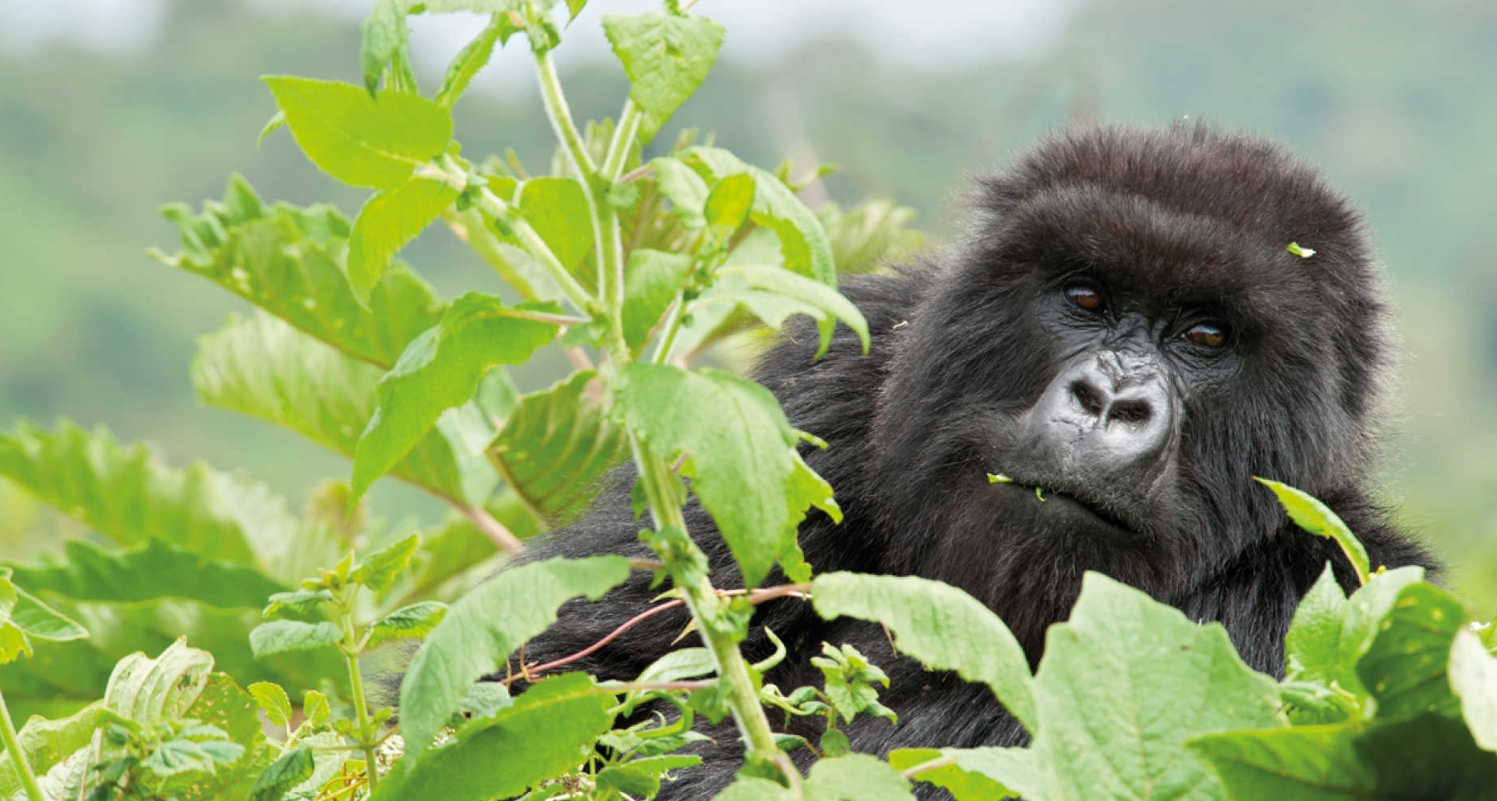
Airstrips Near Bwindi Impenetrable National Park: One of the most popular national parks in Uganda is Bwindi Impenetrable Forest National Park, which is situated in the southwest of the country. The endangered mountain gorillas, which are thought to be closely related to humans, can be found in the park.
In order to save the few mountain gorillas that were in danger of going extinct, Bwindi Impenetrable Forest National Park was gazetted in 1991. Currently, the national park’s four sectors are home to over 600 mountain gorillas.
The Buhoma, Rushaga, Ruhija, and Nkuringo regions of Bwindi are home to mountain gorillas. Over 120 mammal species, ten primates, and 350 bird species may be found across the 331 square kilometer Bwindi Impenetrable Forest National Park.
Airstrips Near Bwindi Impenetrable National Park
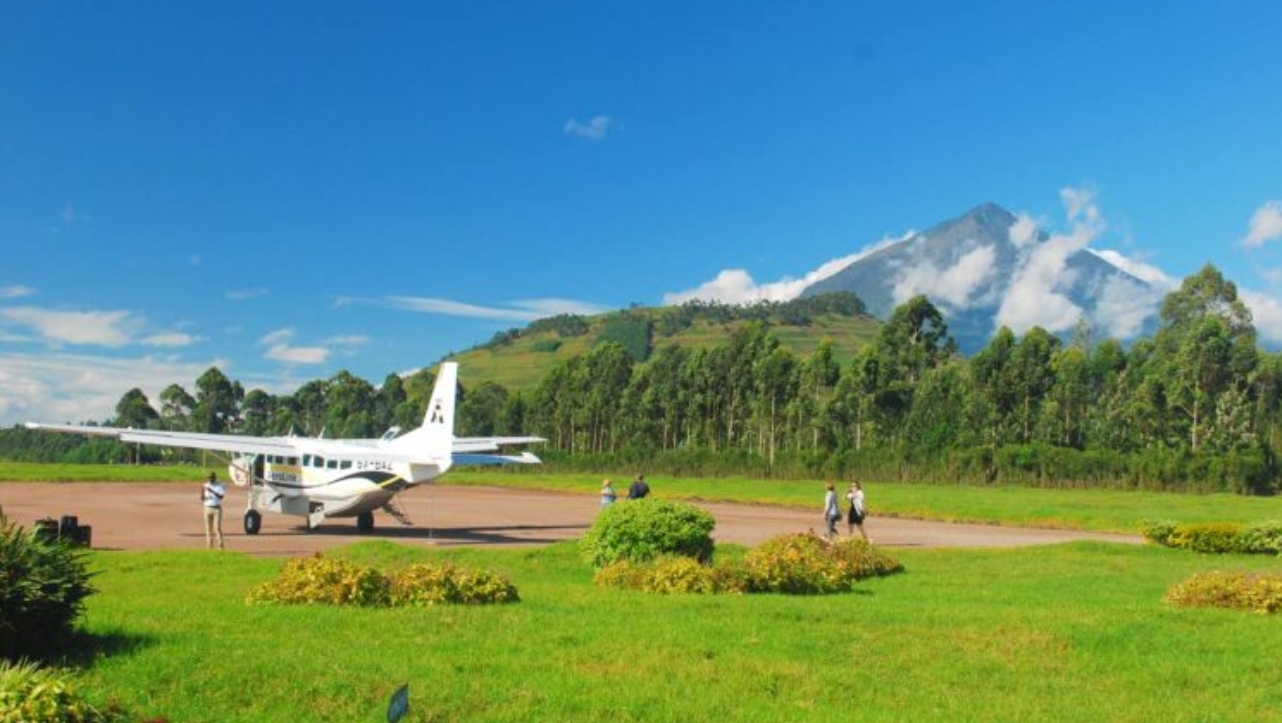
One of the locations that can be reached by plane from Entebbe International Airport and Kajjansi Airport is Bwindi. The Kihihi airstrip, which is situated on the park’s northern border, is the sole airport in the national park.
Luxury tourists who wish to visit the Buhoma sector in the park’s northern region use the Kihihi airport. One of the quickest ways to go to the Buhoma region is by plane, which takes one hour and forty-five minutes. Several airlines, such as Bar Aviation Uganda, AeroLink Uganda, and Fly Uganda, operate flights to the Kihihi airport.
Depending on the season, the planes depart from Kajjansi Airstrip or Entebbe International Airport twice or three times a day. Flights to Kihihi airstrip depart at 7 a.m., 10:15 a.m., and 12 p.m. during the dry season.
During the dry season, flights to Kihihi airstrip take place at the time mentioned above; however, on certain days during the rainy season, these flights are delayed because of inclement weather.
It is now possible to fly to Kihihi airstrip and trek gorillas in 1 hour and 45 minutes for visitors who are concerned about travelling long distances to Bwindi Impenetrable Forest National Park.
Due to the minimum number of passengers that these flights may accommodate, travelers must make their reservations well in advance. You can make a flight reservation directly with the airline or through a reputable local tour operator.
Another airfield utilized by visitors to Bwindi Impenetrable Forest National Park is Kisoro Airfield, which is situated in the Kisoro area. The airfield is close to areas like Nkuringo, Ruhija, and Rushaga, but it is not in the Bwindi Impenetrable Forest National Park. Road transport takes one hour and forty minutes from the Kisoro airport to the Bwindi Impenetrable Forest National Park.
Booking Flights to Bwindi
It is essential to reserve your seat in advance if you want to travel to Bwindi Impenetrable Forest National Park. You can do this by getting in touch with the airline or a local travel provider. In order to determine whether seats are available, the email should provide the dates of the month and year you wish to go.
You will receive an email with the various banking details for sending money as soon as the seats become available. Once the payment has been made, you can email us a scanned copy of the receipt so we can arrange your flight.
What is the best time to fly to Bwindi?
Although flights to Bwindi are available throughout the year, some months are better than others. The best times to fly to Bwindi are during the dry months, which are June through September and December through February. They are distinguished by minimal or nonexistent rainfall, which benefits the park’s flights.
The weather is so favorable during the dry season that aircraft cannot even be delayed. When visiting during the dry season, the roads from the airfield to the park are passable, the trekking trails are dry, the foliage is sparse and short, and there are good views of the mountain gorillas.
During the rainy season, which runs from March to May and October to November, travelers can take flights to Bwindi. This benefits people who wish to take advantage of low-cost flights and lodging options. In order to draw in the few tourists on the safari, the service providers do cut their costs.
However, the rainy season is marked by excessive rainfall that often causes flight delays, impassable roads from the airstrip to the park, muddy and slick trekking trails, and dense, tall vegetation that obscures views of the wildlife