
The Twa Pygmies of Bwindi Impenetrable National Park
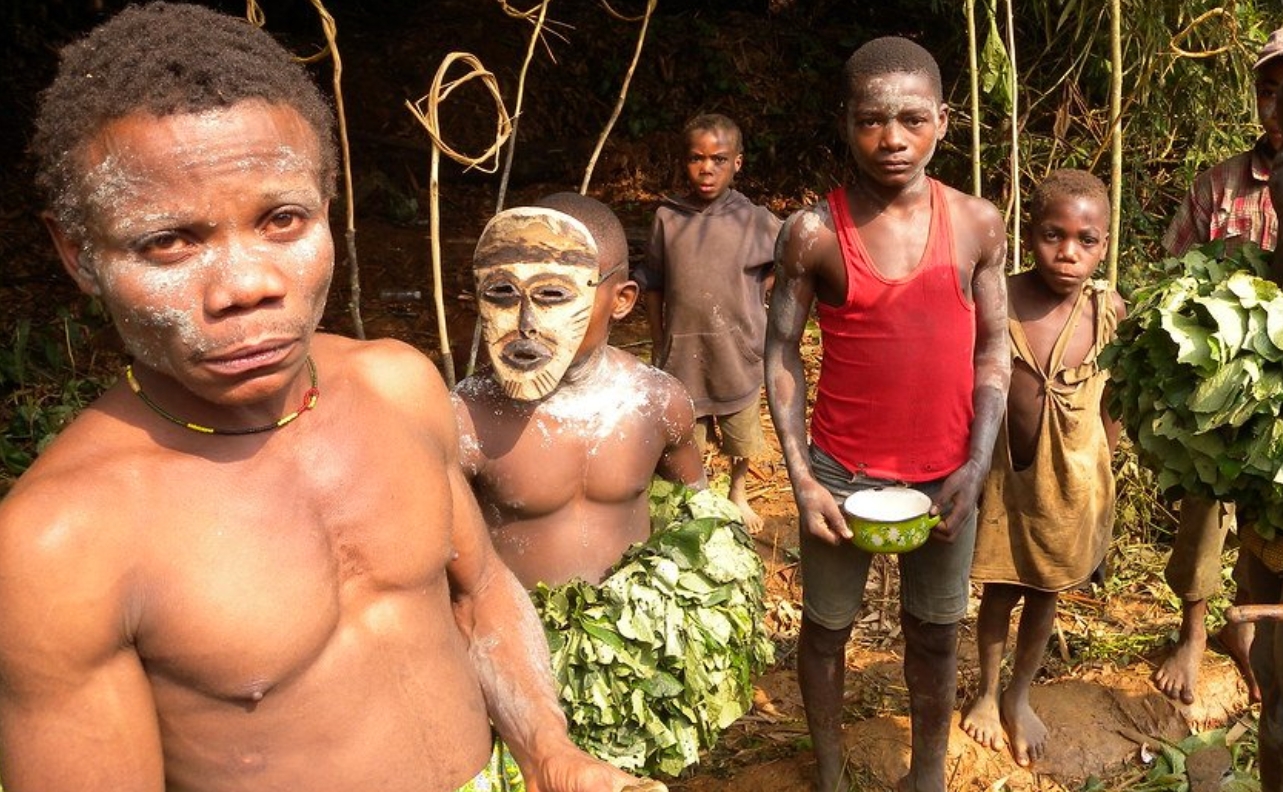
The Twa Pygmies of Bwindi: The captivating Batwa pygmies, who have inhabited the Bwindi Impenetrable Forest National Park for thousands of years, are also referred to as the forest’s guardians. Before the government forced them out when it came time to gazette the park, the Batwa pygmies, a hunter-gatherer tribe, coexisted with the wildlife in the dense forest of Bwindi.
After their evacuation in 1991, the Batwa pygmies made the decision to relocate to the park’s boundaries, where they gradually acquired the skills necessary to lead regular lives similar to those of other Bantu tribes.
Who are the Twa Pygmies?
The Batwa or Twa pygmies are known as the forest guards because they were the first people to live in the Bwindi Impenetrable Forest. They are small, short people who utilize bows and arrows to kill small animals for meat and gather fruits and honey in order to survive.
In the past, the Batwa pygmies lived in caves and little grass-thatched homes built of tree branches while they were in the park.
Between 1991 and 1992, the Batwa people left the Bwindi Impenetrable Forest National Park. During that time, the government ordered the Batwa people to leave the park so that it might be gazetted as a national park.
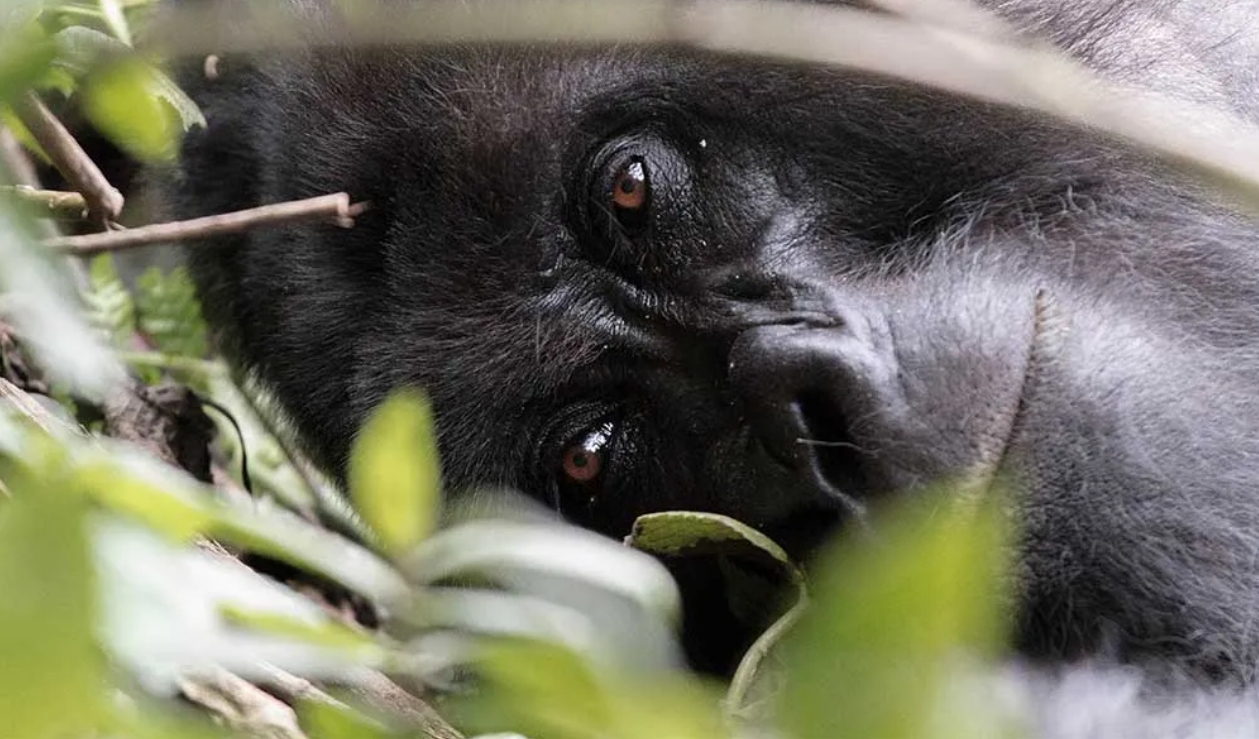
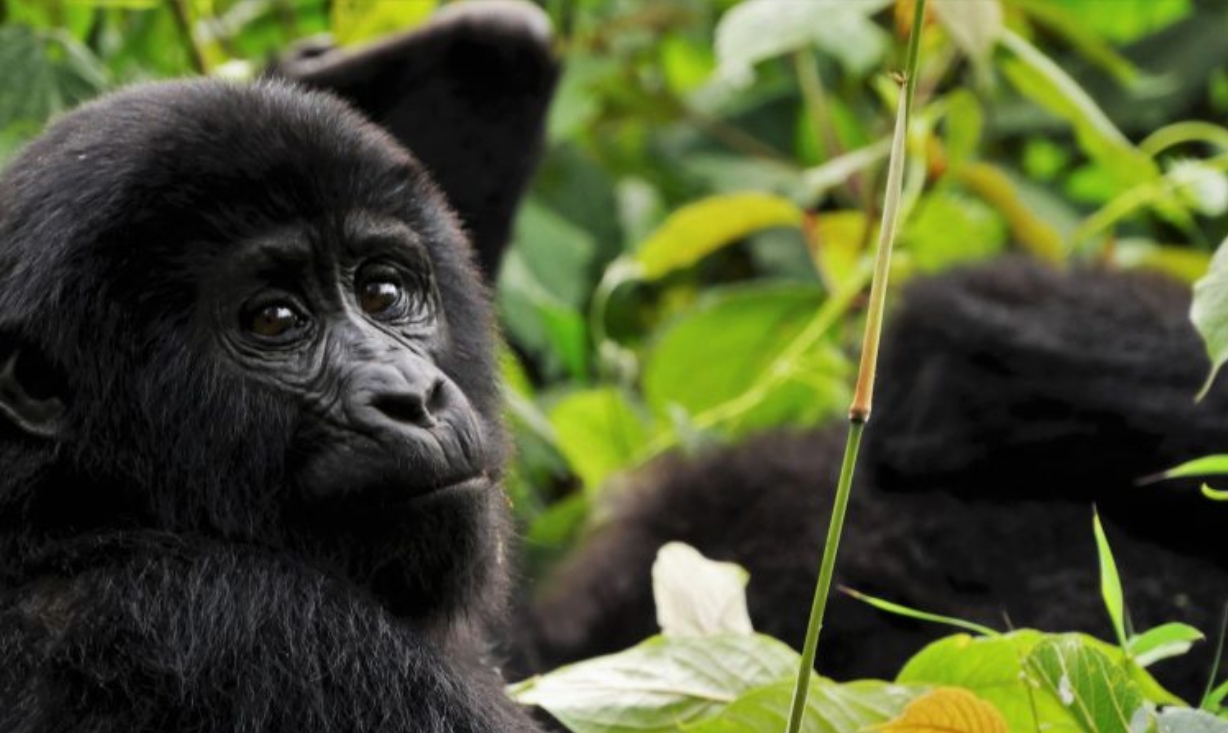
In order to save the park’s creatures, particularly the mountain gorillas, which were in danger of going extinct, the Batwa people were forced to leave.
Batwa Pygmies Cultural Experience
The Batwa people created the Batwa cultural experience so that visitors to the park might learn about the culture of the diminutive people who once inhabited the Bwindi Forest and share it with the outside world.
The majority of visitors to the Batwa pygmies are people who come to the park to engage in mountain gorilla trekking and wish to learn about their way of life.
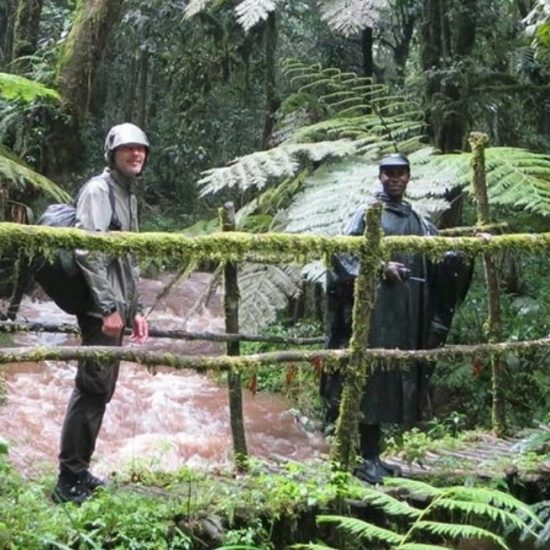
While on your gorilla safari in Bwindi, you can spend the morning or afternoon visiting the Batwa homesteads. When on a safari in the park, this is one of the things you shouldn’t miss. It takes three to four hours to travel through the dense forest and reach the Batwa towns surrounding the park.
The Batwa cultural experience begins in the Buhoma district at the Batwa handmade shop. The well-designed trails that lead to the Batwa community’s residences make the entire trek less taxing.
Travellers with large bags, such as those travelling for filming events, can hire porters to assist with luggage transportation at a reasonable cost. The porters are locals seeking employment so they can support their families and attend school.
A local guide who is also Batwa and is fully knowledgeable about the tribe leads the Batwa cultural experience.
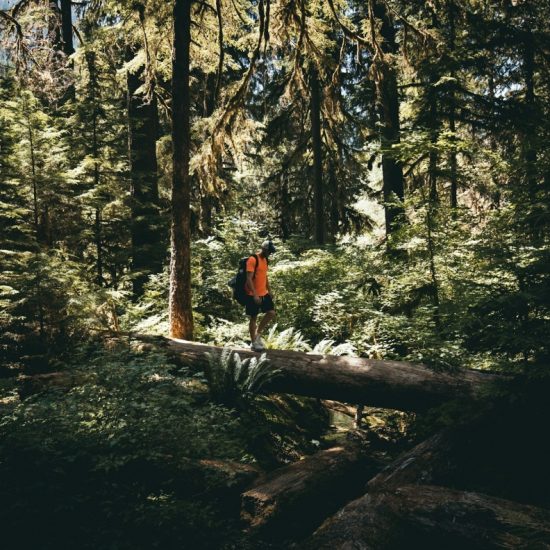
The activity begins with a nature walk through the jungle, during which the Batwa guides tell you many facts about the jungle and how they used to live there.
You can learn how these people used to live in the jungle by picking fruits, gathering honey, and using arrows and bows to hunt small animals. You will be shown many plants in the forest that are still utilized by local traditional healers to treat illnesses.
The traditional dancers will greet you and provide you with entertainment through dances and drama when you arrive at the Batwa community. As you visit other households, you will encounter a variety of individuals going about their daily tasks, such as men digging, women cooking, and kids getting water.
You can participate in the cooking process or sample their regional cuisine. You will meet traditional healers who will demonstrate how various plants can treat illnesses, visit gift stores to view some of the products they manufacture, and interact with old folks who will share stories from long ago.
What is the Cost of the Batwa Experience?
You don’t have to pay park admission to take part in the Batwa cultural experience because it takes place outside of the park. For both international residents and non-residents, the cost of a ticket is $40, and for East African citizens, it is UGX 40,000.
The money received from visitors to the Batwa people is utilised to boost community members’ incomes and expand some of their businesses. In addition to collecting money, the Batwa also donates clothing and educational supplies to those in need.
What Things do I Need to Carry for the Batwa Cultural Experience?
A camera, a pair of binoculars, insect repellents, a face mask, sanitiser, long-sleeved clothing, a rain jacket, because it can rain at any time of day in Bwindi, waterproof hiking shoes, and long cotton socks to get through rough terrain; and energy-boosting snacks and drinking water are all recommended for visitors planning to visit the Batwa pygmies on a gorilla safari in Bwindi.